
From evangelism to intercultural dialogue
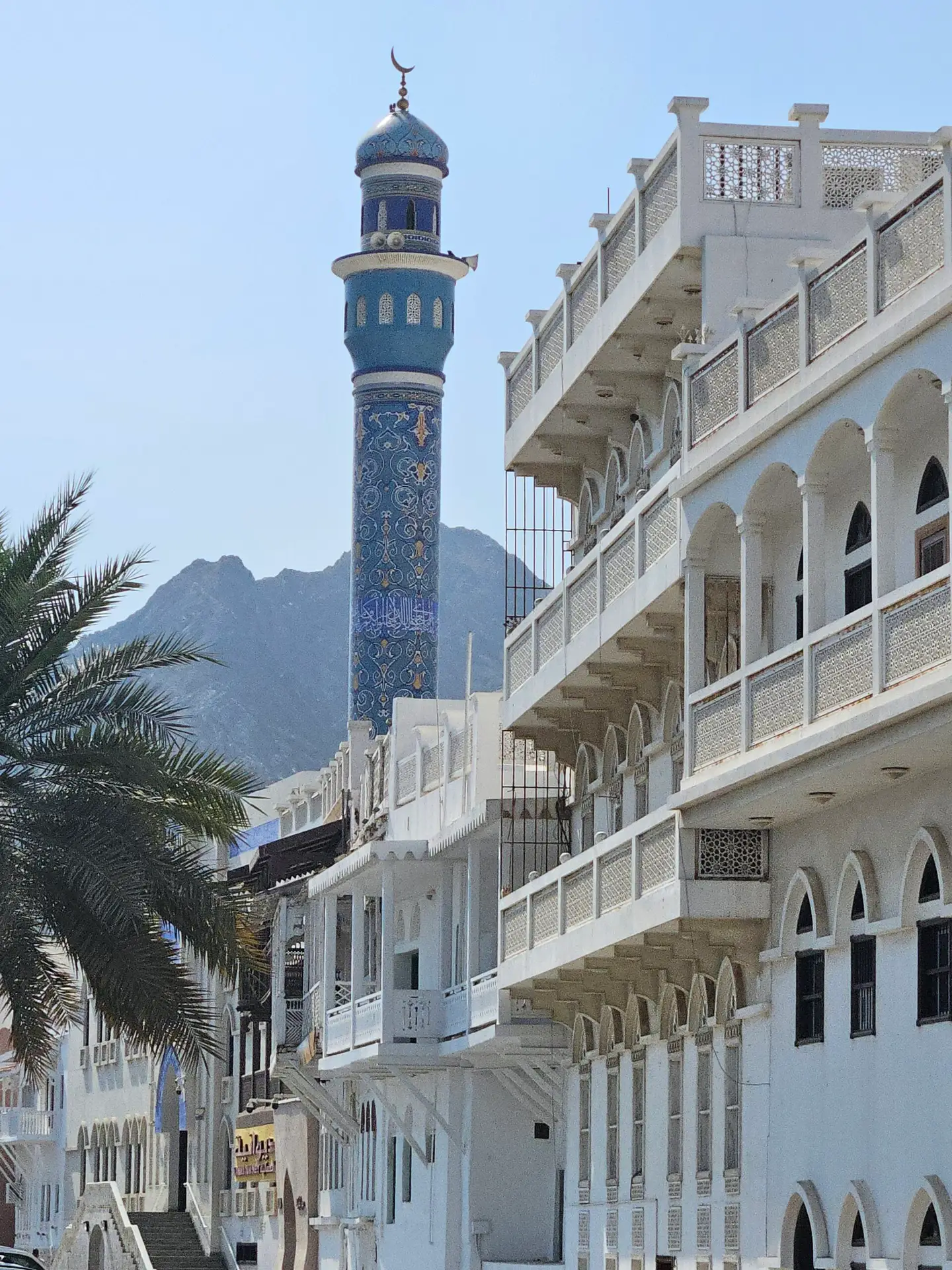
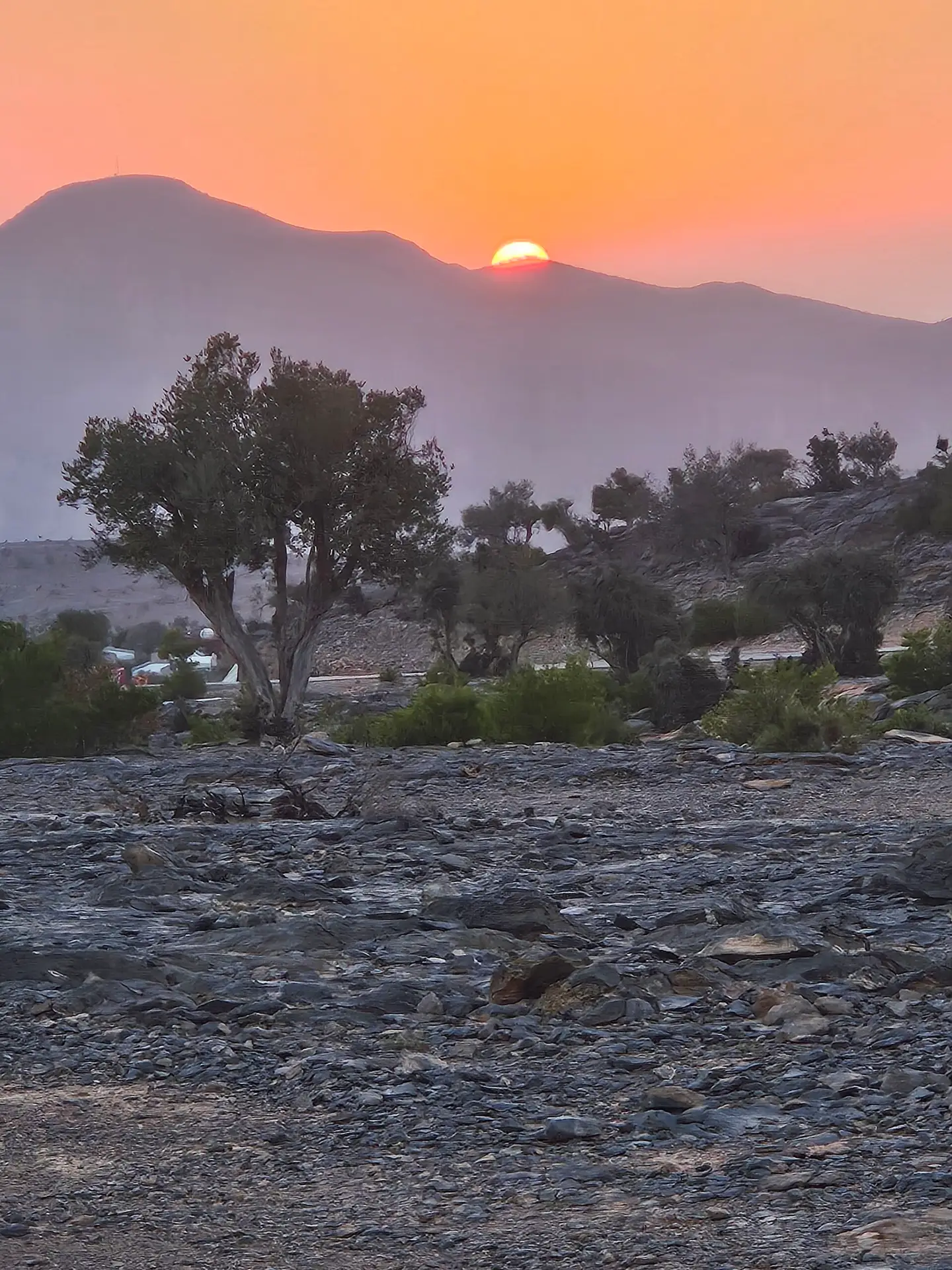
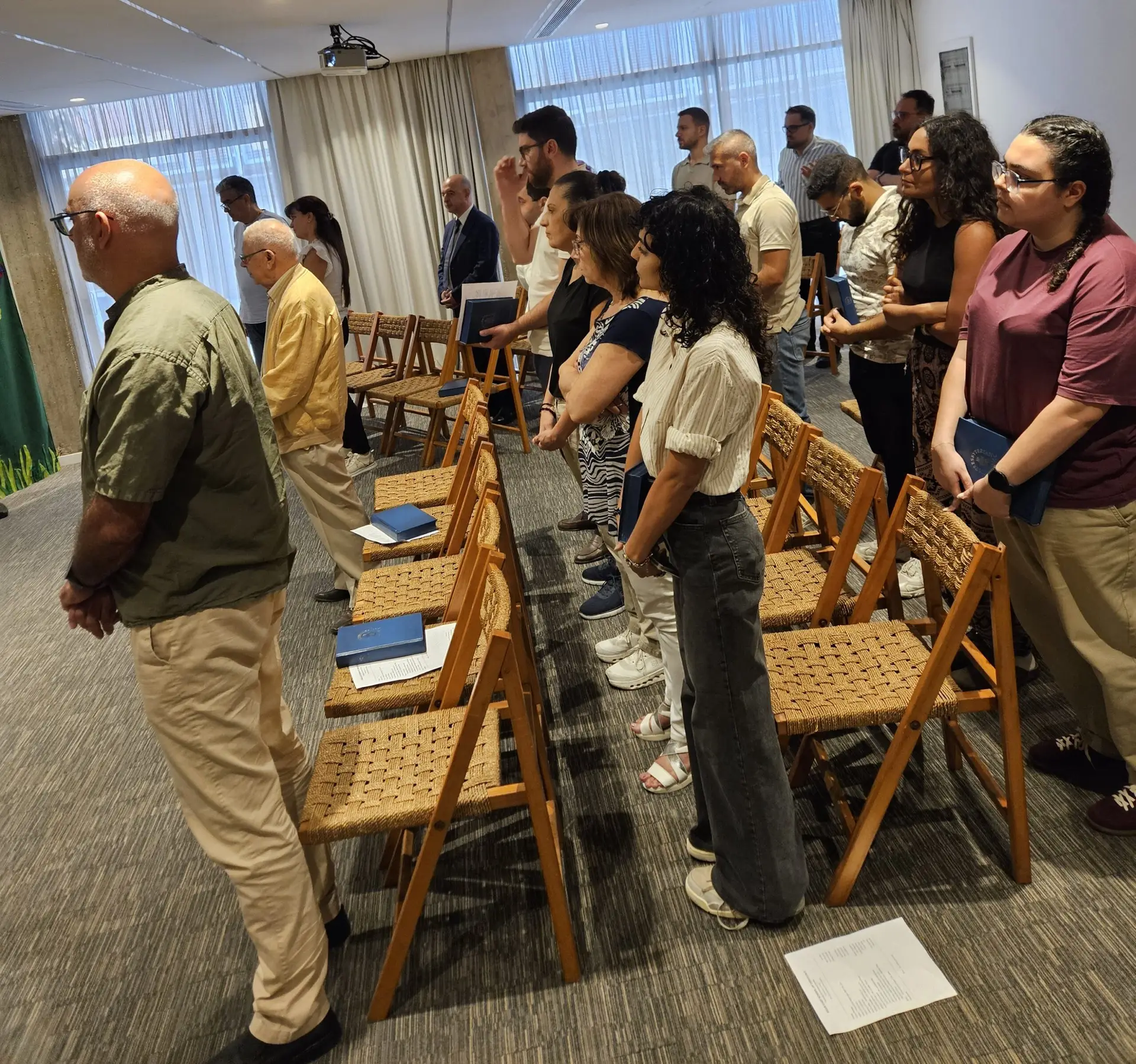
I have just returned from five days in the Sultanate of Oman, spent mainly in Muscat and including a trip to the impressive Jabal Shams mountains. This autumn, the Beirut-based Near East School of Theology (NEST) organised, for the first time, a retreat trip for the Institute’s lecturers, students and staff. More than twenty participants had the opportunity to discover this hospitable country, its traditional Arab culture and, at the same time, its unique religious diversity. The trip helped to strengthen personal bonds in a semi-holiday atmosphere within a safe and welcoming setting, whilst enabling mixed groups to organise daily participatory celebrations. Unfortunately, three students were ultimately unable to obtain visas. It is impossible to cover the full four-day programm in a single blog post. I will certainly return to this topic. Here, I would like to outline the approach of the partner organisation that invited participants on this trip
De l’évangélisation au dialogue interculturel
Je reviens de cinq jours dans le sultanat d’Oman, principalement à Mascate et avec une excursion dans les impressionnantes montagnes de Jabal Shams. La faculté de théologie protestante de Beyrouth (NEST) a cet automne pour la première fois planifié un voyage- retraite destiné aux professeurs, étudiants et personnel de l’Institut. Plus de vingt participants ont à la fois découvert ce pays hospitalier, sa culture arabe traditionnelle en même temps qu’une pluralité religieuse singulière. Il a permis de renforcer les liens personnels dans un esprit de semi-vacances dans un lieu protégé et convivial et de préparer dans des groupes mixtes des célébrations quotidiennes participatives. Malheureusement trois étudiants n’ont finalement pas reçu de visa. Impossible de faire le tour de ces quatre jours de programmes dans un seul blog. J’y reviendrai certainement. J’aimerai présenter ici la démarche du partenaire qui a invité à ce voyage et l’a préparé, le Centre interreligieux Al
Lebanese Judaïsm: then and now
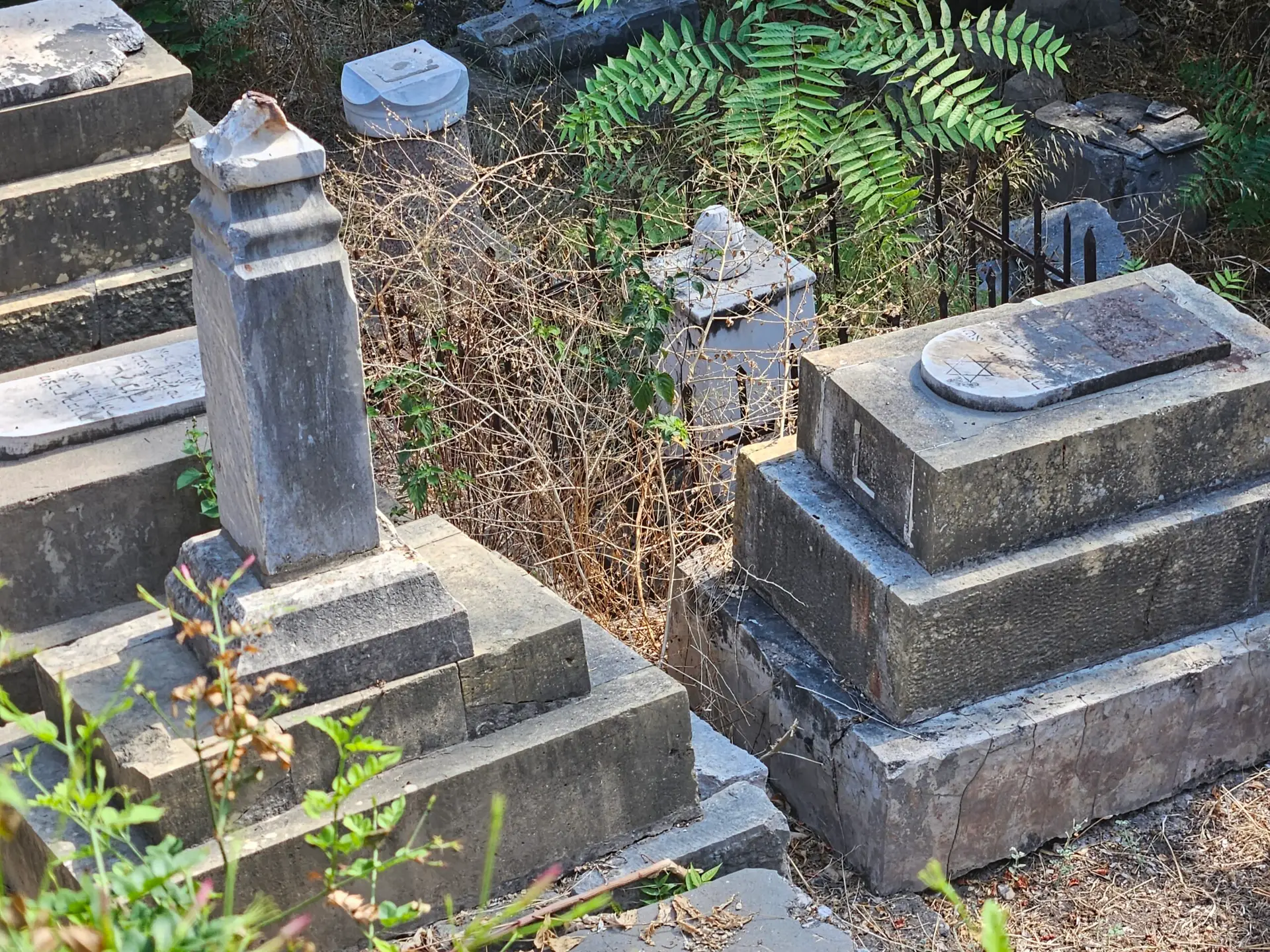
First published in German on 30 September on ref.ch – https://www.ref.ch/?s=fornerod During a conversation the other day, I learnt in passing that there was a Jewish cemetery in Beirut, as well as a very small community living there quite discreetly. But what is most surprising is that there is also a synagogue, which has recently been completely renovated. This certainly warranted a little research. Indeed, officially, Israel and Lebanon have remained in a state of war since 2006, even though no incidents have occurred up until 2024. Lebanese citizens are prohibited by law from having personal contact with Israeli citizens. The Jews of Lebanon Most Lebanese Jews were Sephardim who travelled by ship from Spain and Portugal to escape the Inquisition from the 15th century onwards. Others, known as Mizrahim, joined them, particularly in the 20th century, from neighboring Arab countries such as Syria, Iraq, Iran and Turkey – largely
Le Judaïsme libanais, hier et aujourd’hui
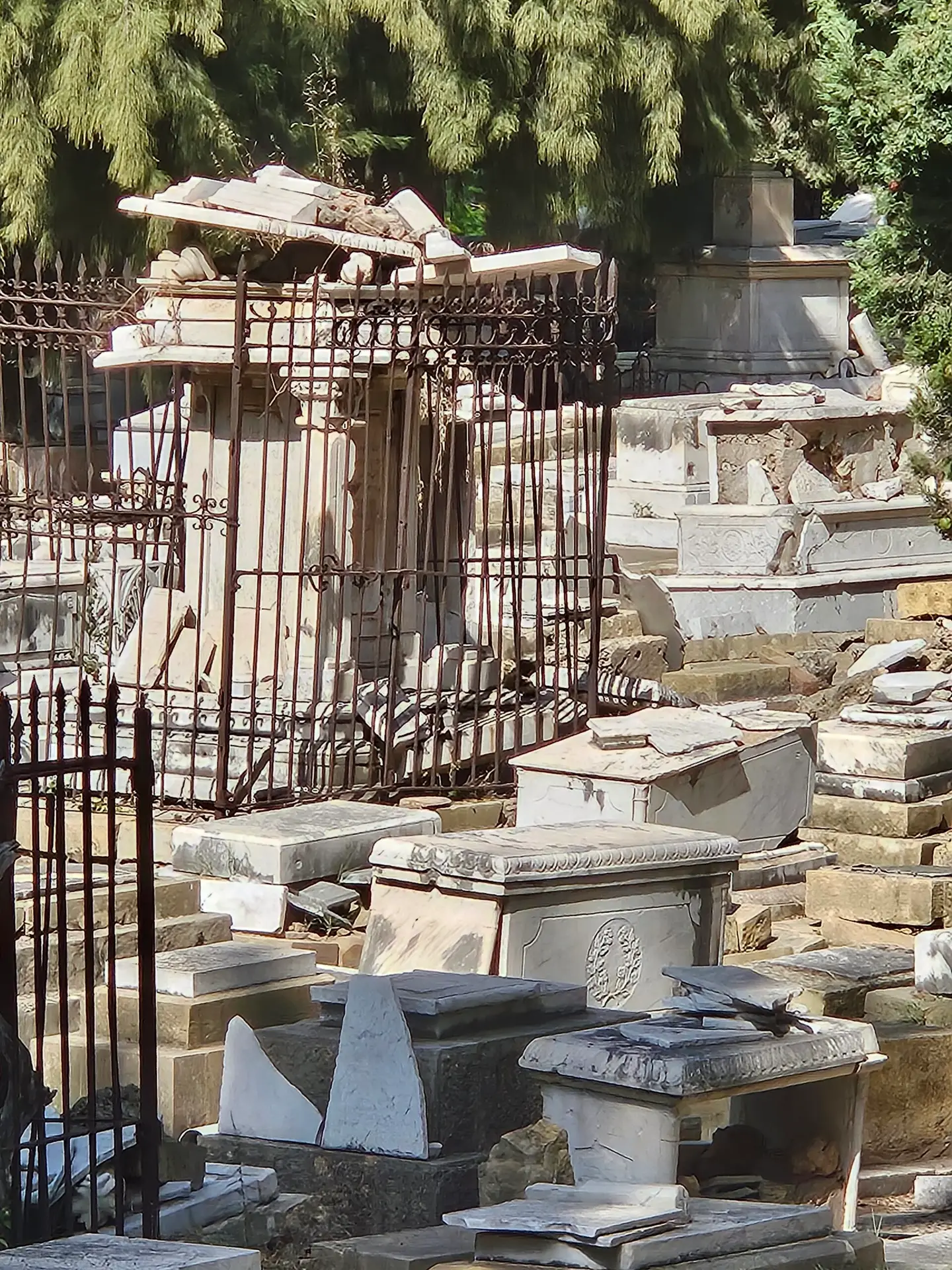
Publié en premier en allemand le 30 septembre sur ref.ch : https://www.ref.ch/?s=fornerod Lors d’un échange l’autre jour j’appris au détour d’une phrase qu’il y avait un cimetière juif à Beyrouth, ainsi qu’une toute petite communauté qui subsistait de manière très discrète. Mais le plus surprenant est qu’il y a aussi une synagogue, entièrement rénovée récemment. Cela méritait bien une petite recherche. En effet, officiellement, Israël et le Liban sont toujours en état de guerre depuis 2006, même si aucun incident ne s’est produit jusqu’en 2024. Il est de par la loi interdit aux citoyens libanais d’avoir des échanges personnels avec des citoyens israélites. Les juifs du Liban La plupart des juifs libanais étaient des sépharades venus d’Espagne et du Portugal en bateau pour fuir l’inquisition à partir du 15e siècle. D’autres, des Mizrahis, les ont rejoints en particulier au 20e siècle depuis les pays arabes voisins Syrie, Irak, Iran, Turquie, en
Provisional reflections after one month’s stay
As the first autumn rains reach the town, I find myself wanting to summarise and reflect on what has emerged from these first few weeks. It’s not easy to organise one’s impressions. What criteria should I use to distinguish between an impression, a piece of information, and something that’s already a certainty? A provisional summary: Taking (the) time The other day, when I told someone I’d been here for a month, she replied, ‘Oh, that’s not long!’ Once again, I was struck by the difference in the perception of time. Back home, staying in one place for a month is already considered a long stay. Time isn’t just more elastic here; it’s also slower. Yet everyone is constantly bustling about, always on the move. But things repeat themselves; they don’t progress at the same pace. Nothing is ever definitive. “Maybe!” You often have to start again. Or wait. Or change
Premier bilan après un mois de séjour
Alors que les premières pluies de l’automne atteignent la ville, l’humeur est à essayer de résumer et récapituler ce qui ressort de ces premières semaines. Classer ses impressions n’est pas simple. Selon quels critères sélectionner ce qui est une impression, une information ou déjà une certitude ? Une synthèse provisoire: (Ap)prendre le temps L’autre jour, quelqu’un à qui je disais que j’étais là depuis un mois m’a répondu « oh, c’est court ! ». Encore une fois, la différence de perception du temps m’a frappé. Chez nous, rester un mois au même endroit équivaut déjà à un long séjour. Le temps n’est pas seulement plus élastique ici, il est aussi plus lent. Pourtant, tout le monde s’agite en permanence, est sans arrêt en mouvement. Mais les choses se répètent, ne progressent pas à la même vitesse. Rien n’est jamais définitif. « Maybe ! ». Il faut souvent recommencer. Ou attendre. Ou changer de tactique pour y arriver,
Another weekend of contrasts
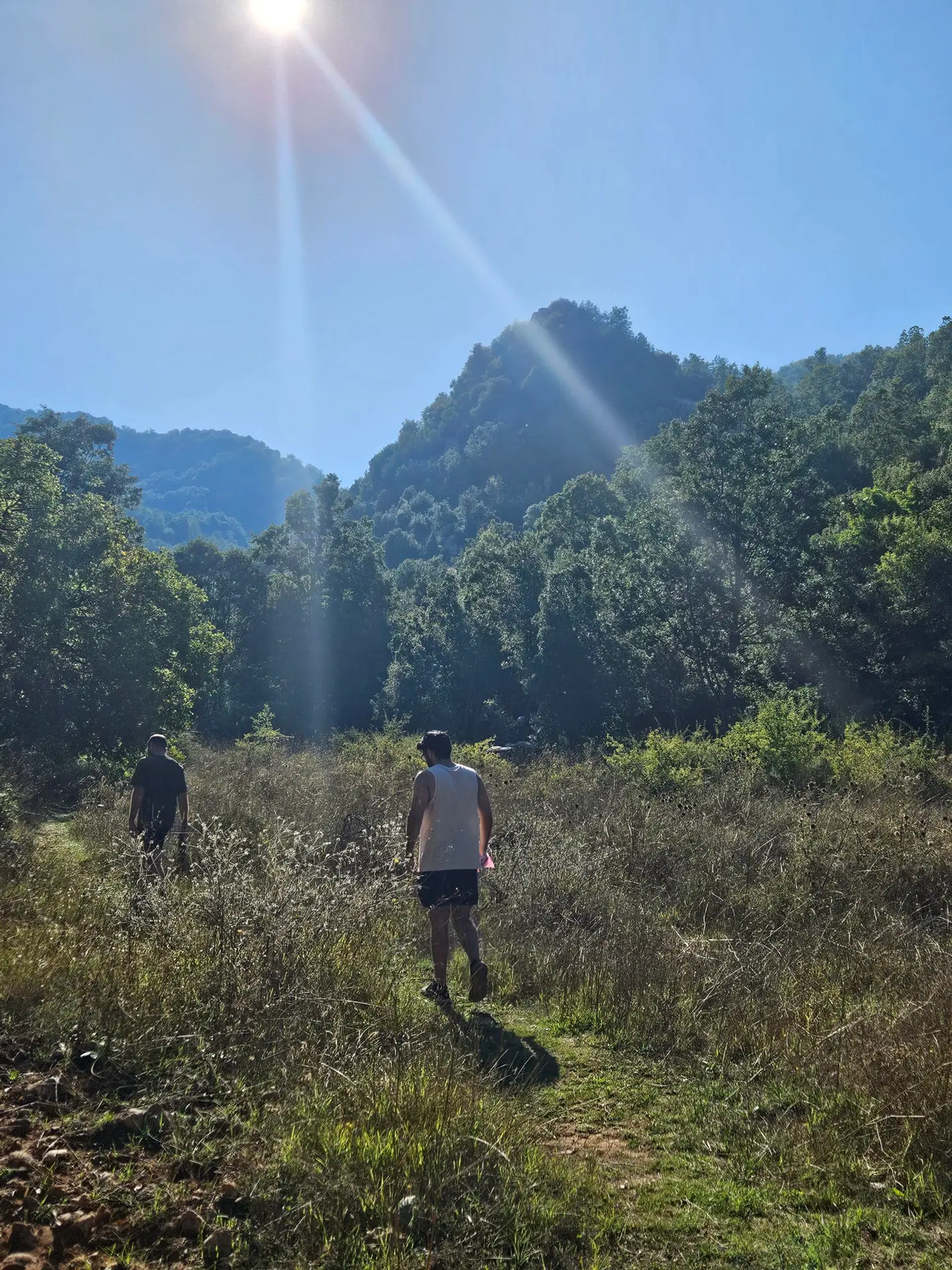
This Saturday was hiking day with the students. We headed for Byblos at 100 km/h on a road that was, thankfully – for once – largely empty given the early hour, then made a rapid ascent to Ehmej at 1,200 meters, a prime hiking destination in Lebanon, which forms part of the national trail circuit that crosses the country from north to south. A village of five thousand inhabitants, with thirteen churches! It is a 100 per cent Maronite region. The guide turned out to be the representative of Crusade Campus for Christ, which led to some lively theological discussions along the way! As the path was sometimes barely visible, several participants, unaccustomed to this sort of activity, had to keep their eyes fixed on their feet more often than on the surrounding countryside. The ground was surprisingly damp and soft, given the heat here. But the combination of morning
Encore un week end de contrastes
Ce samedi, c’était jour de randonnée avec les étudiants. Direction Byblos à cent km/h sur une route heureusement – pour une fois – largement vide vu l’heure matinale, puis montée rapide jusqu’à Ehmej à 1200 mètres, un haut lieu de la randonnée au Liban, qui fait partie du circuit de trail national qui traverse le pays du Nord au Sud. Un village de cinq mille habitants, avec treize Eglises !. C’est une région à 100% maronite. Le guide se révéla être le répondant de Crusade Campus for Christ, ce qui créa au fil du trajet quelques discussions théologiques animées ! Du fait que la piste n’était parfois que peu visible, plusieurs participants, pas habitués à ce genre d’exercice, durent fixer leur regard plus souvent sur leurs pieds que sur la nature alentour, et passer à côté de papillons, de toiles d’araignée, de champignons ou de prunes sauvages. Le sol était étonnamment humide
A trouble-free journey. Or the cost of education for the poor
Imagine this. You come from Hassakeh, in the far north-east of Syria, on the border with Iraq and Turkey, home to around 150,000 people, fewer than 4 per cent of whom are Christian. You are a pastor. A woman. To progress in your education, you must attend a face-to-face course in Beirut for one semester. Your journey begins at 6 am. You dress in black and conservatively, with a Roman collar and a large cross on your chest. You have booked two seats on the bus to Damascus, to ensure you are not addressed or drawn into conversations along the way. The other day, at the school you run, a father brought his young daughter (aged 7) wearing a niqab. He asked that she be seated only alongside other girls. Your school welcomes 900 pupils, 85 of whom are Christian. On the streets, you hardly see anyone but fully veiled
Un voyage sans histoire, ou le coût d’une bonne formation pour les pauvres
Imaginez. Vous venez d’Hassaké, à l’extrême Nord-Est de la Syrie, au confin de l’Irak et de la Turquie, avec env. cent cinquante mille autres habitants, dont moins de 4% de chrétiens. Vous êtes pasteure. Pour progresser dans votre formation, vous devez suivre un cours en présentiel à Beyrouth pendant un semestre. Votre voyage commence à 6h du matin. Vous vous habillez en noir et de manière stricte, avec le col romain et une grande croix sur la poitrine. Vous avez réservé deux places dans le bus qui mène à Damas, pour être sûre de ne pas être interpellée ou engagée dans des discussions en chemin. L’autre jour, dans l’école que vous dirigez, un père a amené sa petite fille (7 ans) vêtue d’un niqab. Il a demandé à ce qu’elle soit assise seulement à côté de filles. L’école accueille neuf cents élèves, huitante-cinq d’entre eux sont chrétiens. Dans la rue,
A (wide, widening) river runs through it
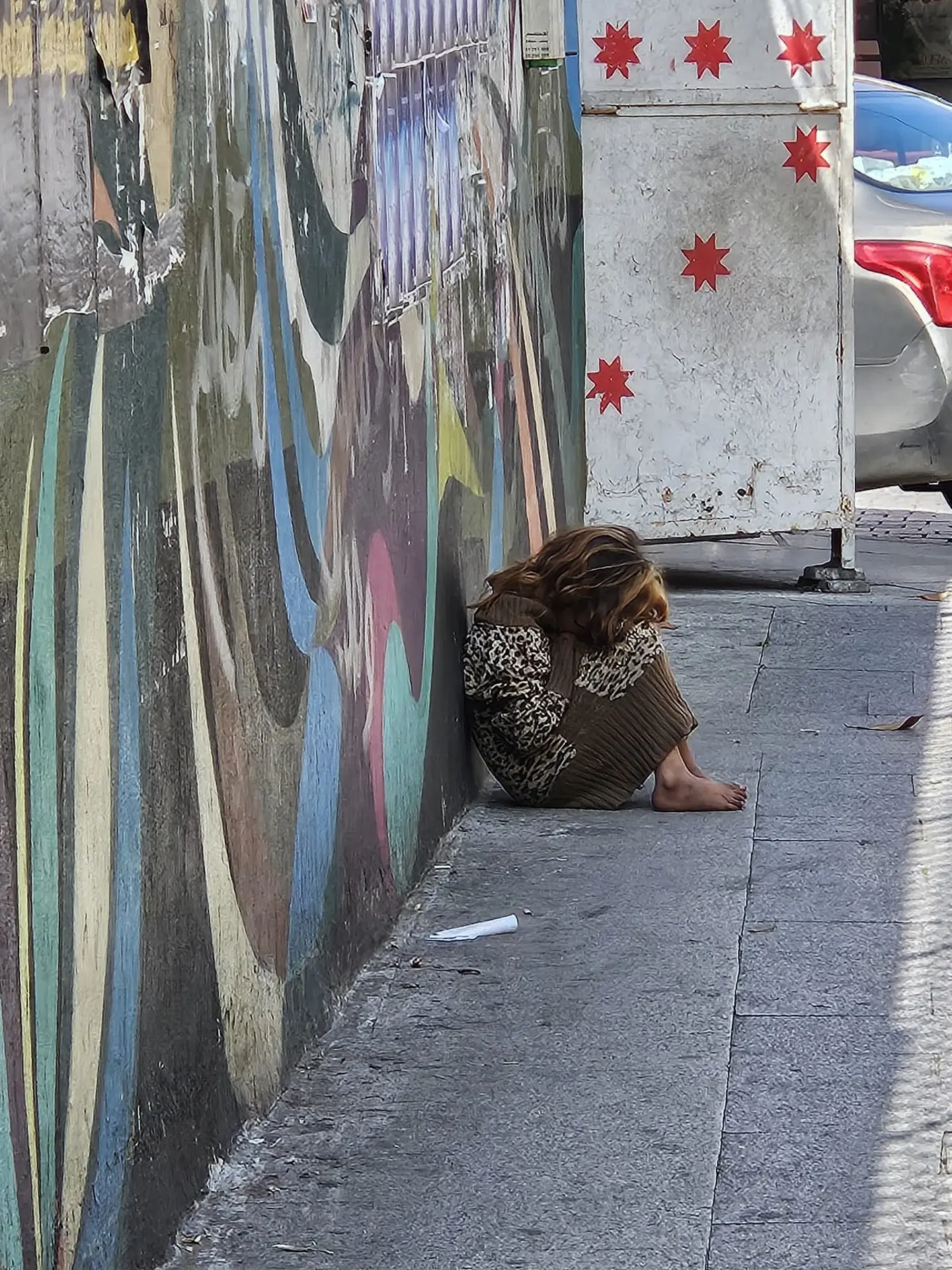
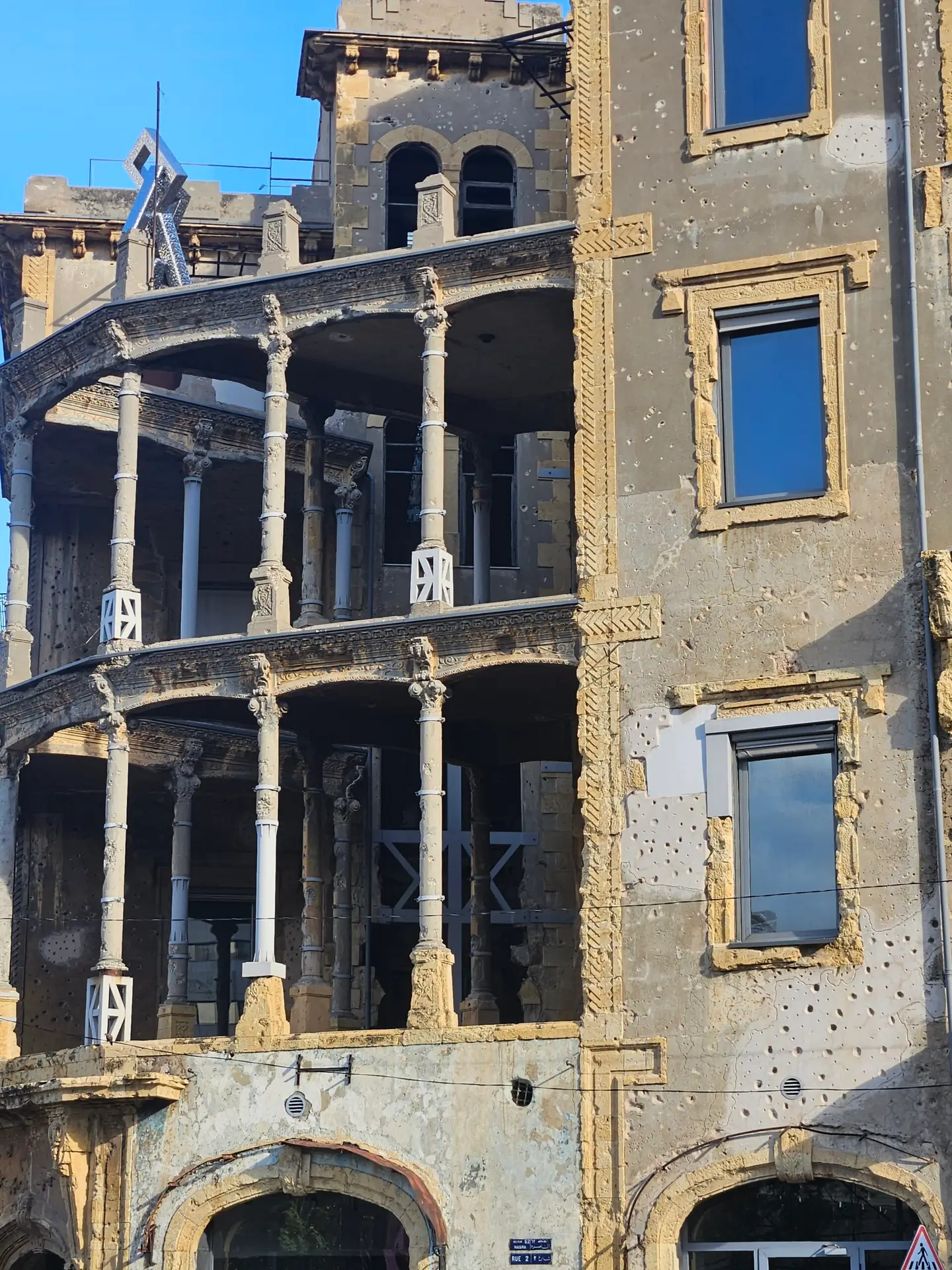
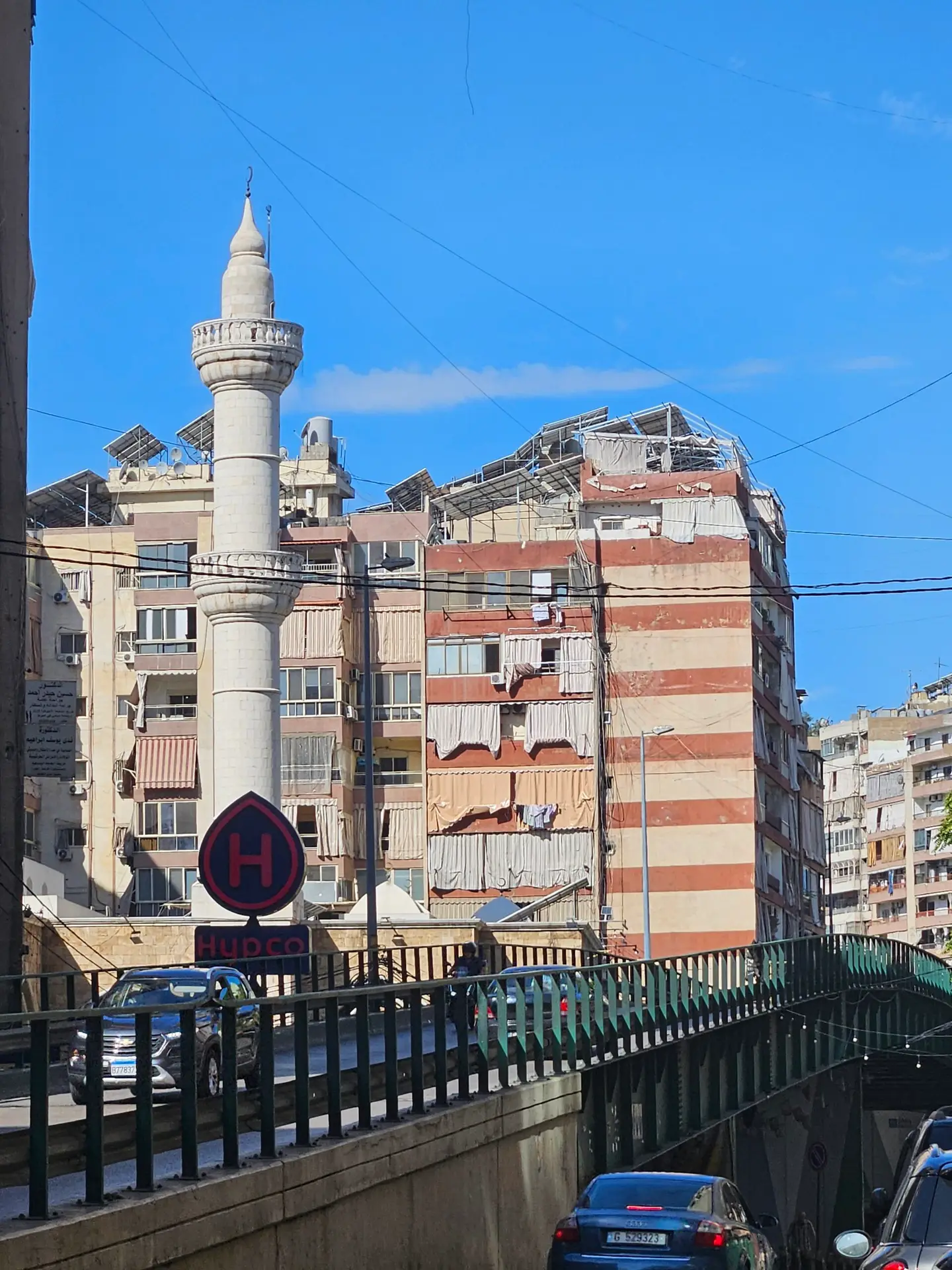
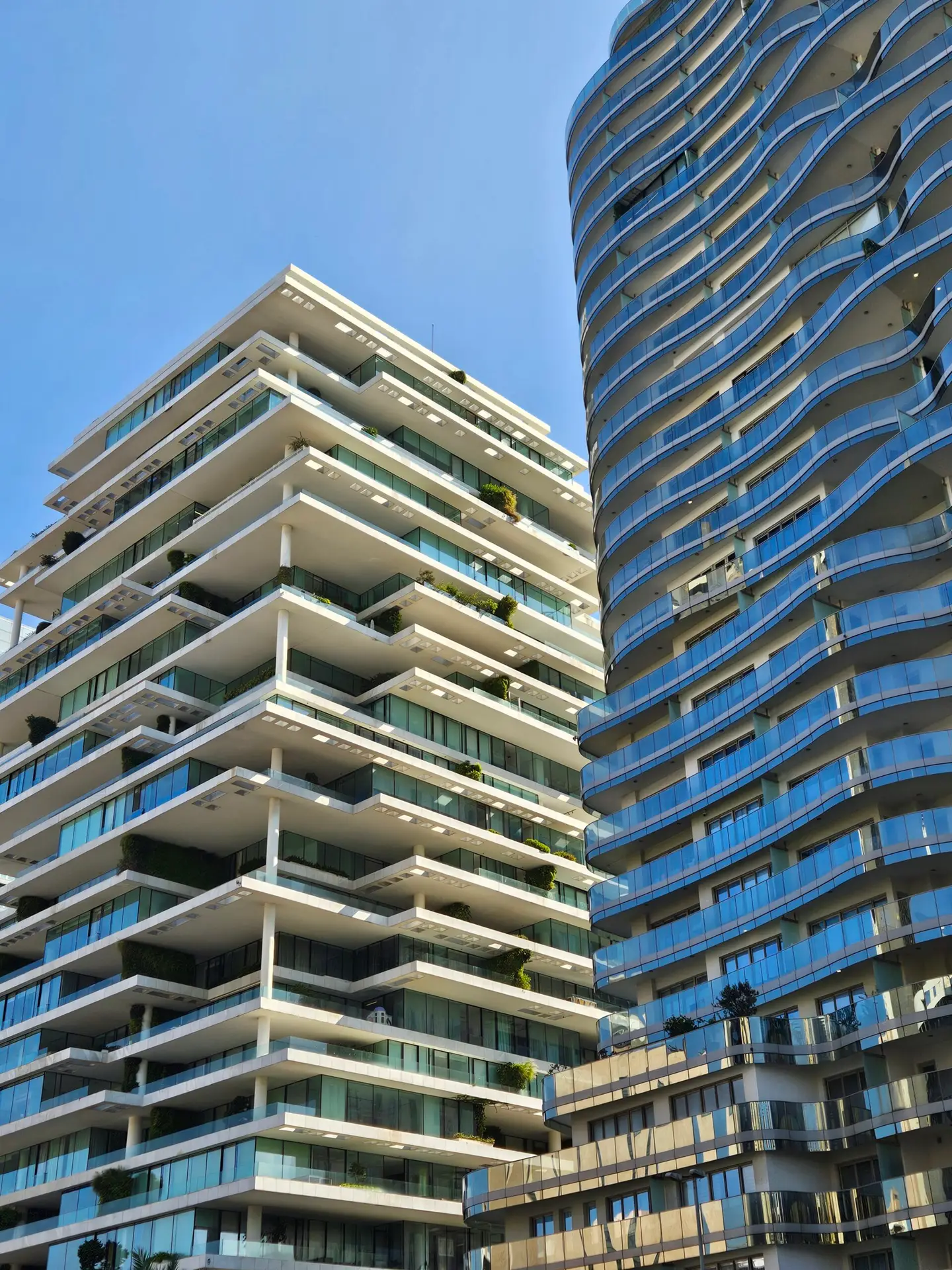
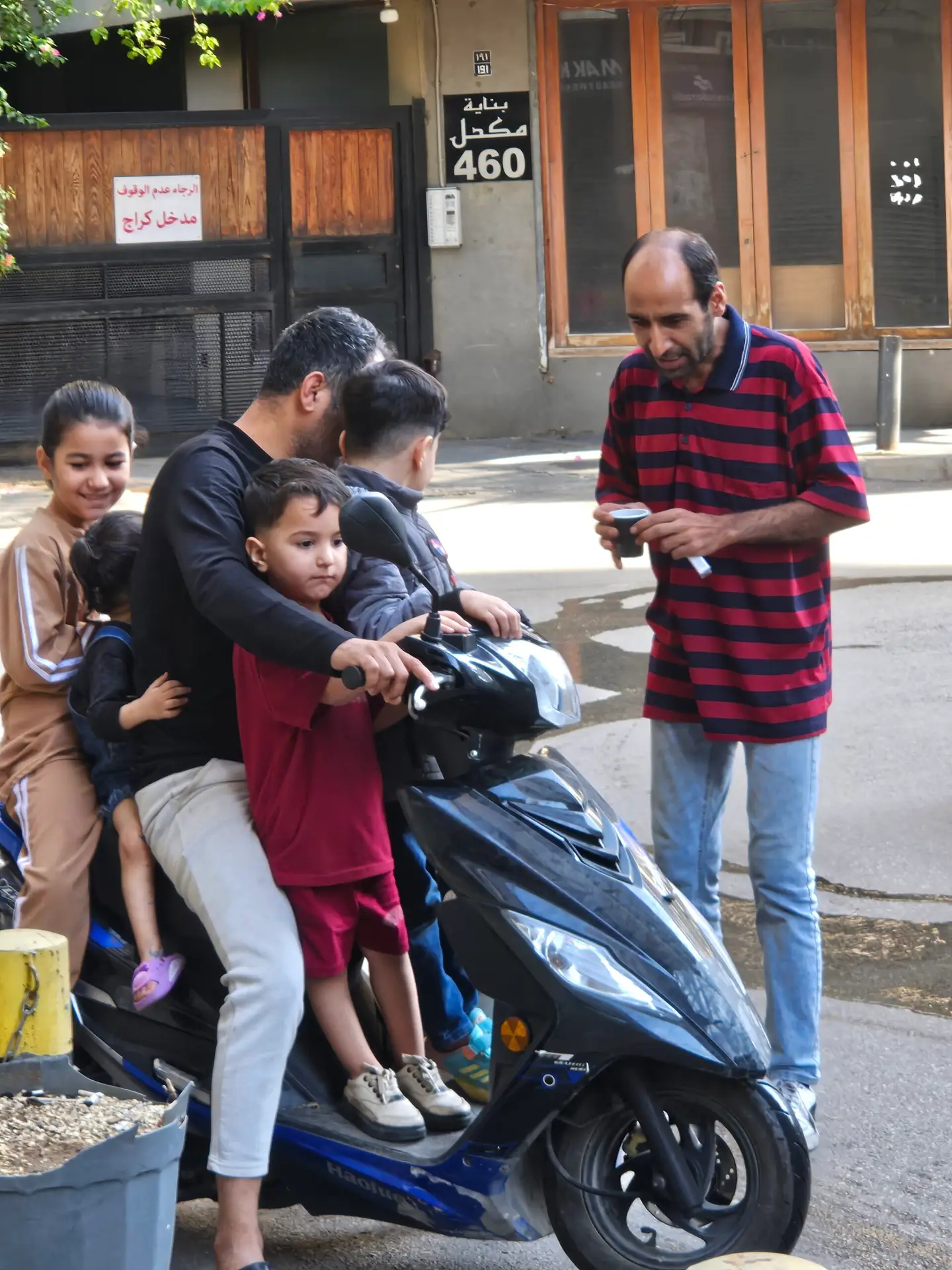
One knows this before he/she comes here to Beirut, and what follows is not a matter of trying to make people feel uncomfortable or merciful. It is a question of describing a global phenomenon that also affects the West and which some refer to as the ‘precariat’. The so-called “middleclass” shrinks every day and hides the increasing impoverishment of the society. The broadness of the social divide in Lebanon shocks the visitor. This all the more given that the recognised main cause is a government incapable of tackling the problems, because these are largely driven by private interests at home and public interests abroad. The neighbourhood where I am is not a wealthy one, even though a few large, very comfortable apartment blocks rise up here. In the neighbouring streets, dozens of people can be seen sitting all day on a chair – either in front of a car park,
Et au milieu… coule un fossé qui s’élargit
On le sait avant de venir à Beyrouth, et ce qui suit ne vise pas à provoquer des sentiments de gêne ou de pitié. Il s’agit de décrire un phénomène global qui touche aussi la Suisse et que certains appellent le « précariat ». La soi-disante « classe moyenne » diminue de jour en jour et cache la paupérisation croissante de la société. La largeur du fossé social au Liban choque le visiteur. Ceci d’autant plus que la cause principale reconnue en est une gouvernance incapable de maîtriser les problèmes, parce que ceux-ci sont pilotés en grande partie par des intérêts privés à l’intérieur et publics à l’extérieur. Le quartier où je suis n’est pas aisé, même si quelques grands immeubles d’habitations très confortables s’y élancent. Dans les rues adjacentes, on trouve des dizaines de personnes assises toute la journée sur une chaise soit devant un parking, une entrée d’immeuble, un magasin ou avec
Chances and challenges in practicing protestant theology in the Middle-East today?
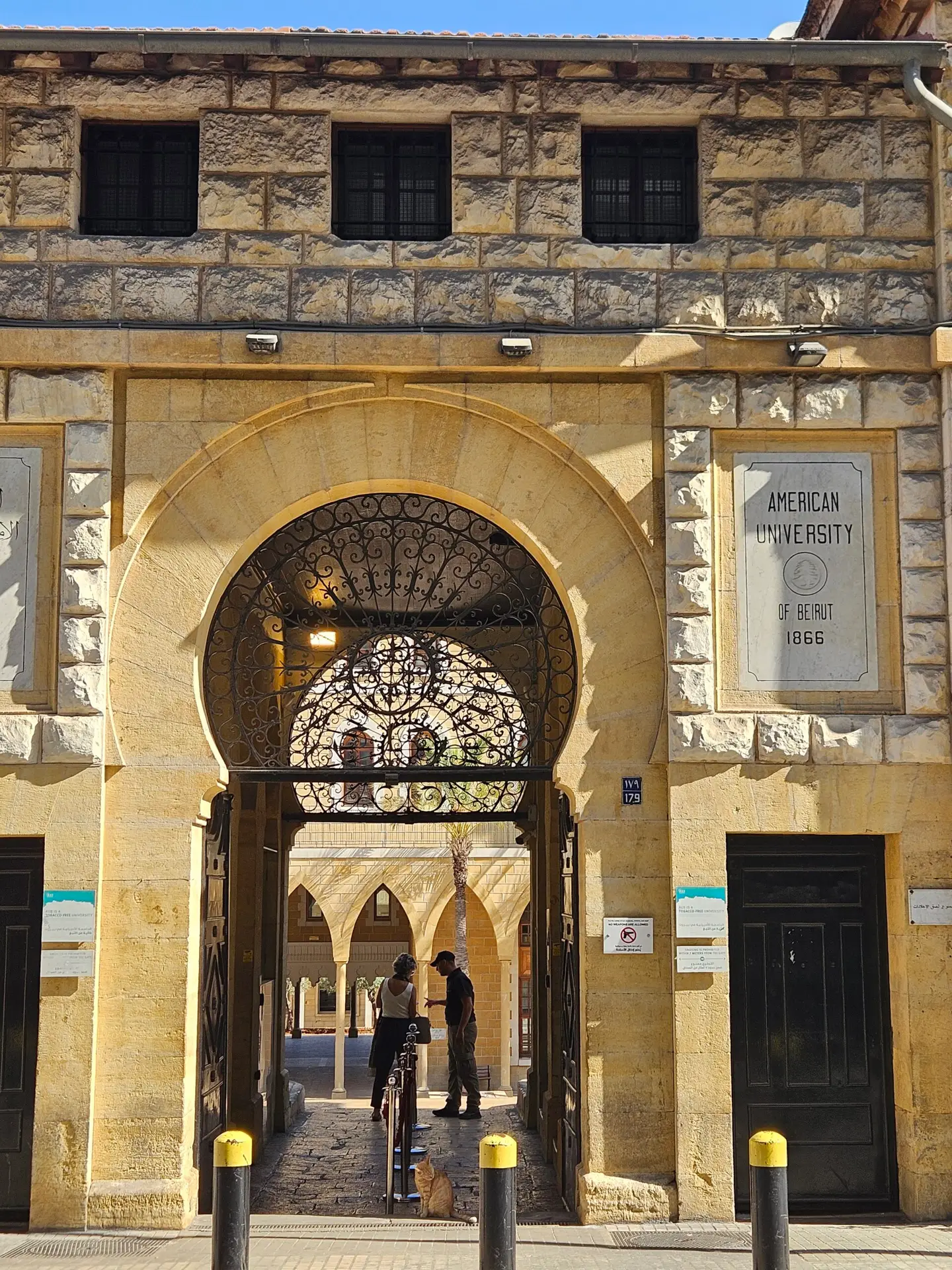
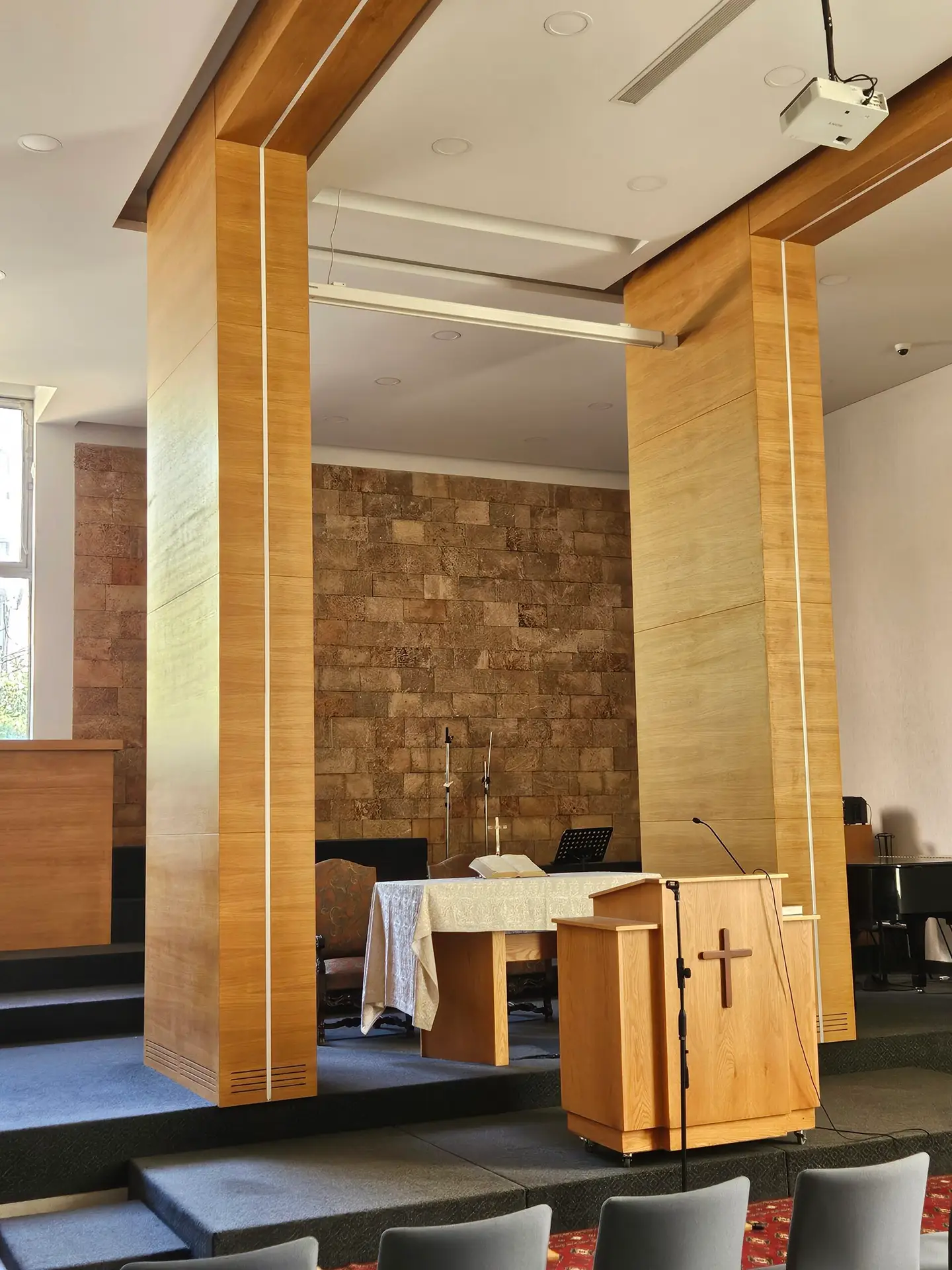
First published on ref.ch on 16.09.2026 https://www.ref.ch/?s=fornerod For the next few months, I will be living and studying at the Near East School of Theology (NEST). NEST is the oldest theological training institute in the Near East. Officially founded in 1932—though its precursors date back about a hundred years— its foundation precedes by more than thirty years the American University of Lebanon and played a key role in the university’s establishment. The scientific optimism of the 19th century also affected missionaries, who hoped to convert both Catholics and Orthodox as well as Muslims. Their hopes were quickly dashed It was necessary to settle in the long term with the prospect of remaining a tiny minority, this also on an ecumenical and theological level. It is estimated that today Protestants represent about 0.5% of the country’s population. Evangelical, Baptist, Pentecostal and other churches have more members than the three « historical »
Comment faire de la théologie protestante au Proche-Orient aujourd’hui?
Publié le 16.09.2026 sur ref.ch https://www.ref.ch/?s=fornerod Pour les prochains mois, je vis et j’étudie à la Near East School of Theology (NEST). La (NEST) est le plus ancien institut de formation théologique du Proche Orient. Fondé officiellement en 1932, mais avec des précurseurs remontant environ cent ans plus tôt, sa fondation précède de plus de trente ans celle de l’Université Américaine Libanaise, qu’il a contribué à créer. L’optimisme scientifique du 19e siècle a touché aussi les missionnaires, qui espéraient convertir aussi bien catholiques et orthodoxes que musulmans. Il fut rapidement douché. Il a fallu s’installer dans la durée avec la perspective de rester une minuscule minorité, ceci aussi sur le plan œcuménique et théologique. On estime qu’aujourd’hui les protestants représentent env. 0,5% de la population du pays. Les Eglises évangéliques, baptistes, pentecôtistes etc. regroupent plus de membres que les trois Eglises « historiques », l’Eglise nationale évangélique, l’Eglise presbytérienne (NESSL) et
Like an island facing the sea
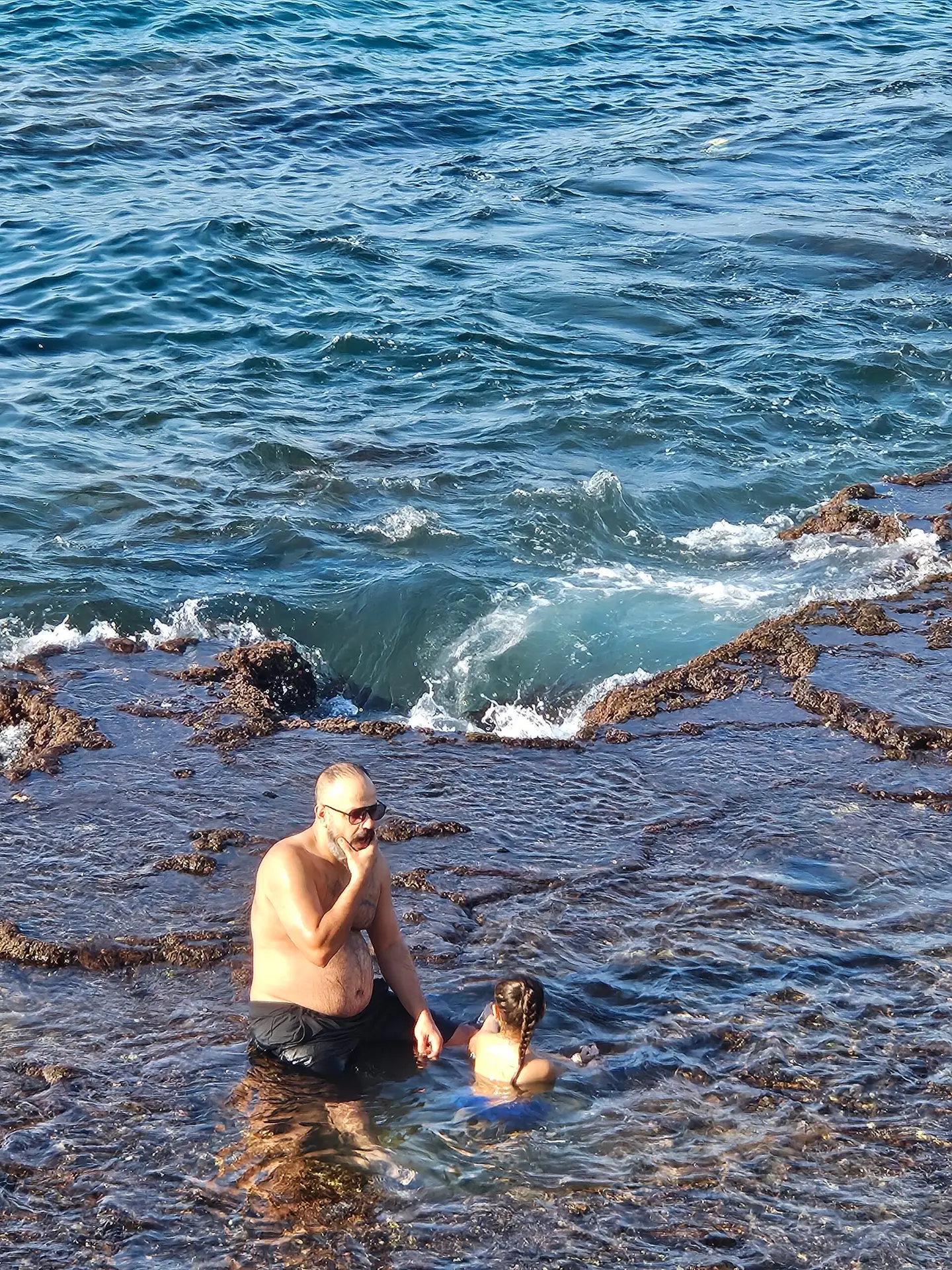
Yes, I know, this title doesn’t make sense. An island cannot face the sea. And yet that is the vague feeling that sometimes came over me after spending a few days on the NEST campus in Beirut. It is an image which, beyond the immediate experience here, could or ought to apply to the Church. Firstly, because every morning, from the window, you see it, right nearby, like an image that’s too still, always the same, like a desktop background. It’s a sight we witness every morning, but whose gentleness and calm create a glitch in the brain, because it conveys the opposite of the reality you experience in the country and the region. Yet this island is not lost in the midst of an ocean that is apparently, but deceptively, calm, whilst in reality it is more than often turbulent. It faces the ocean. It is not the ocean
Comme une île en face de la mer
Oui, je sais, ce titre n’est pas logique. Une île ne peut pas être en face de la mer. Et pourtant c’est parfois le sentiment diffus qui m’a traversé après quelques jours passés sur le campus du NEST à Beyrouth. C’est une image qui, au-delà de l’expérience immédiate ici, pourrait ou devrait s’appliquer à l’Eglise. D’abord parce que chaque matin, depuis les fenêtres, on la voit, tout près, comme une image trop immobile, toujours identique, comme un fond d’écran, C’est un spectacle auquel on assiste chaque matin, mais dont la douceur et le calme créent un bug dans le cerveau, parce qu’il dit le contraire de la réalité ressentie du pays et de la région. Mais cette île n’est pas perdue au milieu d’un océan apparemment mais trompeusement calme, mais en réalité le plus souvent tumultueux. Elle lui fait face. Elle n’est pas l’océan (Cf. Jean 15.19 et 17.16). Elle